
Breaking Down Myths About Magic Mushroom Clinics in the US


Magic mushroom clinics are gaining attention in the United States as a potential therapeutic option for a variety of mental health issues. However, several myths persist about these clinics and their offerings. In this post, we'll address some of the most common misconceptions and provide clarity on what these clinics truly offer.
Myth 1: Magic Mushroom Clinics Are Illegal
One of the most prevalent myths is that magic mushroom clinics operate outside the law. In reality, the legal landscape is evolving. While psilocybin, the active compound in magic mushrooms, is still federally classified as a Schedule I substance, several states and cities have decriminalized its use. Clinics in these areas operate under strict guidelines to ensure compliance with local laws.
Moreover, ongoing clinical trials and research are pushing for reclassification, which could further change the legal status of psilocybin in the coming years.
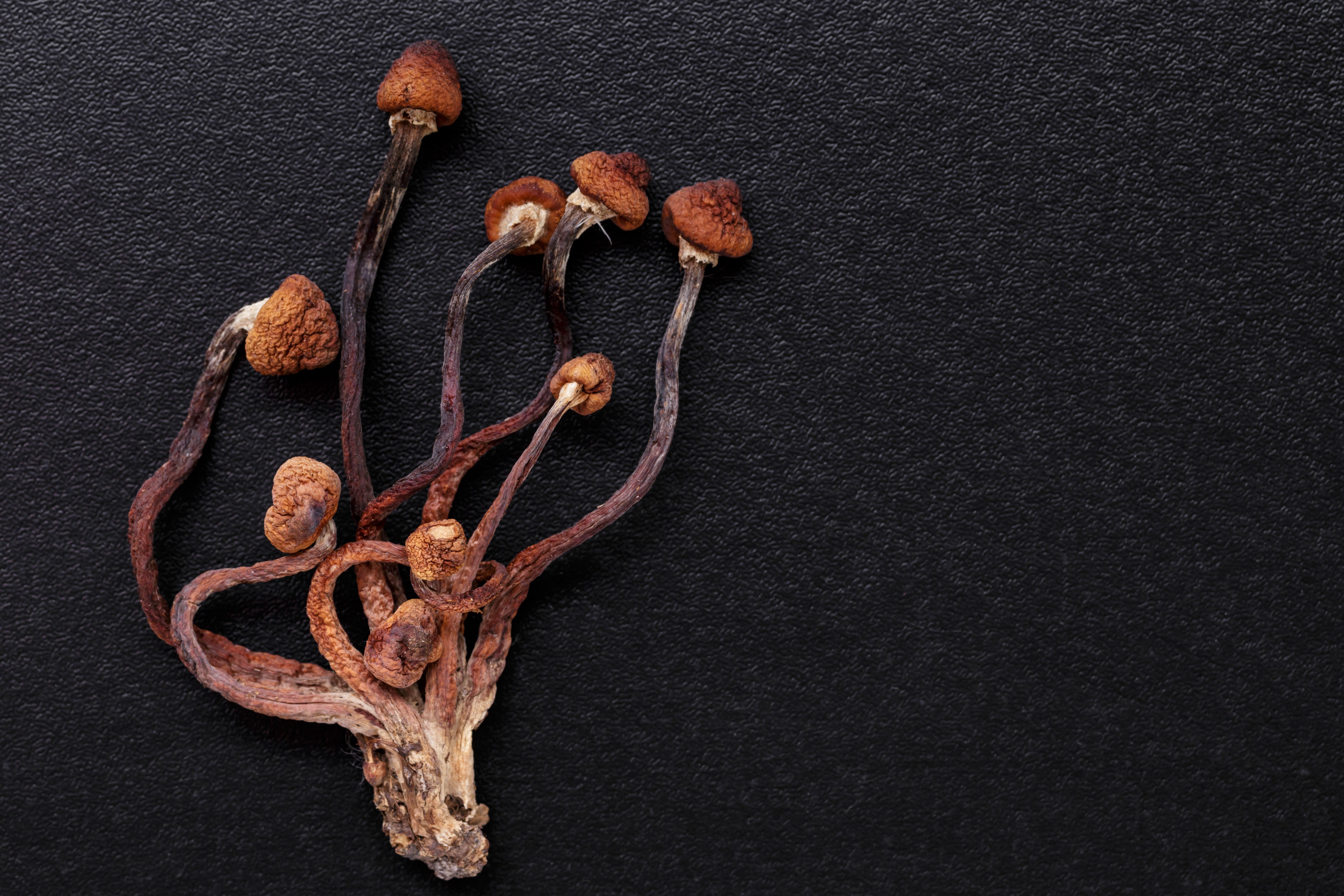
Myth 2: Magic Mushroom Therapy Is the Same as Recreational Use
Another misconception is that magic mushroom therapy is akin to recreational use. This couldn't be further from the truth. Clinics offer controlled, guided experiences facilitated by trained professionals. The focus is on therapeutic outcomes rather than recreational enjoyment.
Patients undergo thorough evaluations, and treatments are tailored to their specific needs. Sessions are conducted in a safe, supportive environment to maximize therapeutic benefits and minimize risks.
Myth 3: It's Just a Trend with No Scientific Backing
Some people believe that the interest in magic mushroom clinics is just a passing trend without scientific support. However, research into psilocybin for mental health treatment is robust and growing. Studies have shown promising results for conditions like depression, anxiety, PTSD, and addiction.
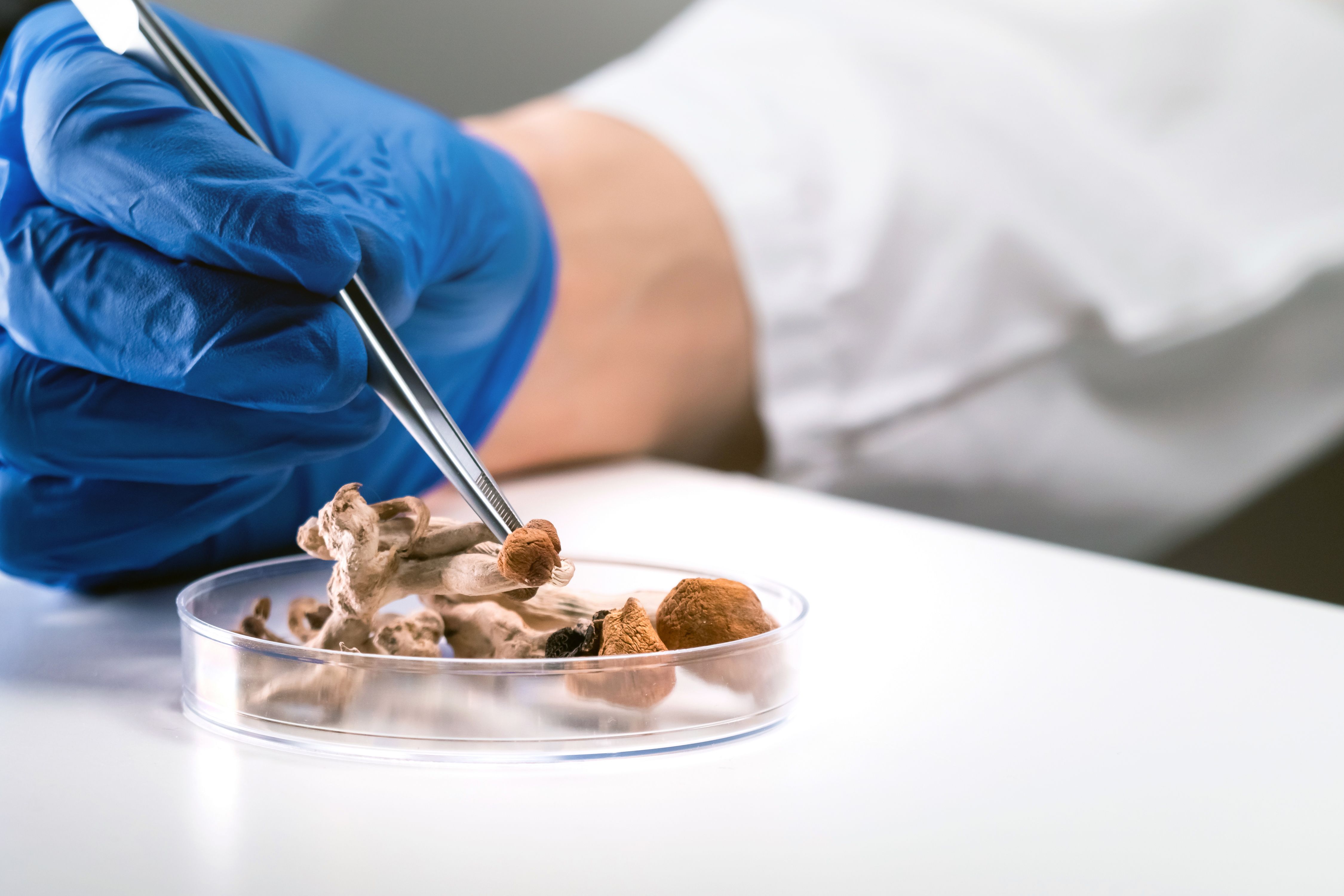
Renowned institutions and universities are conducting clinical trials, adding credibility to the therapeutic potential of psilocybin. As more data emerges, the acceptance of its use in medical settings is likely to increase.
Myth 4: It's Only for People with Severe Mental Health Issues
While magic mushroom therapy is being explored for severe mental health conditions, it's not limited to these cases. Clinics are also considering its use for personal growth and self-exploration under professional guidance. This broader application opens possibilities for a wider audience seeking mental well-being.
It's important for individuals to consult with healthcare professionals to determine if this therapy aligns with their personal health goals and needs.

Myth 5: There's No Regulation or Oversight
A common concern is the lack of regulation in magic mushroom clinics. However, reputable clinics adhere to strict protocols and standards to ensure patient safety. They often collaborate with medical boards and adhere to ethical guidelines, providing transparency and accountability.
As the field develops, further regulations and oversight are expected to enhance the safety and effectiveness of these therapies.
Conclusion: Understanding the Reality
Magic mushroom clinics represent a promising frontier in mental health treatment, but it's crucial to separate fact from fiction. By dispelling these myths, we can better understand the potential benefits and limitations of psilocybin therapy.
As research continues and legal frameworks evolve, magic mushroom clinics may become a more recognized and accepted option in the realm of mental health care.