
Debunking Myths: The Truth About Psilocybin and Mental Health


Understanding Psilocybin
Psilocybin, the active compound found in certain types of mushrooms, has been a topic of considerable interest in recent years, particularly concerning its potential benefits for mental health. Despite its growing popularity, many misconceptions still surround its use and effects.
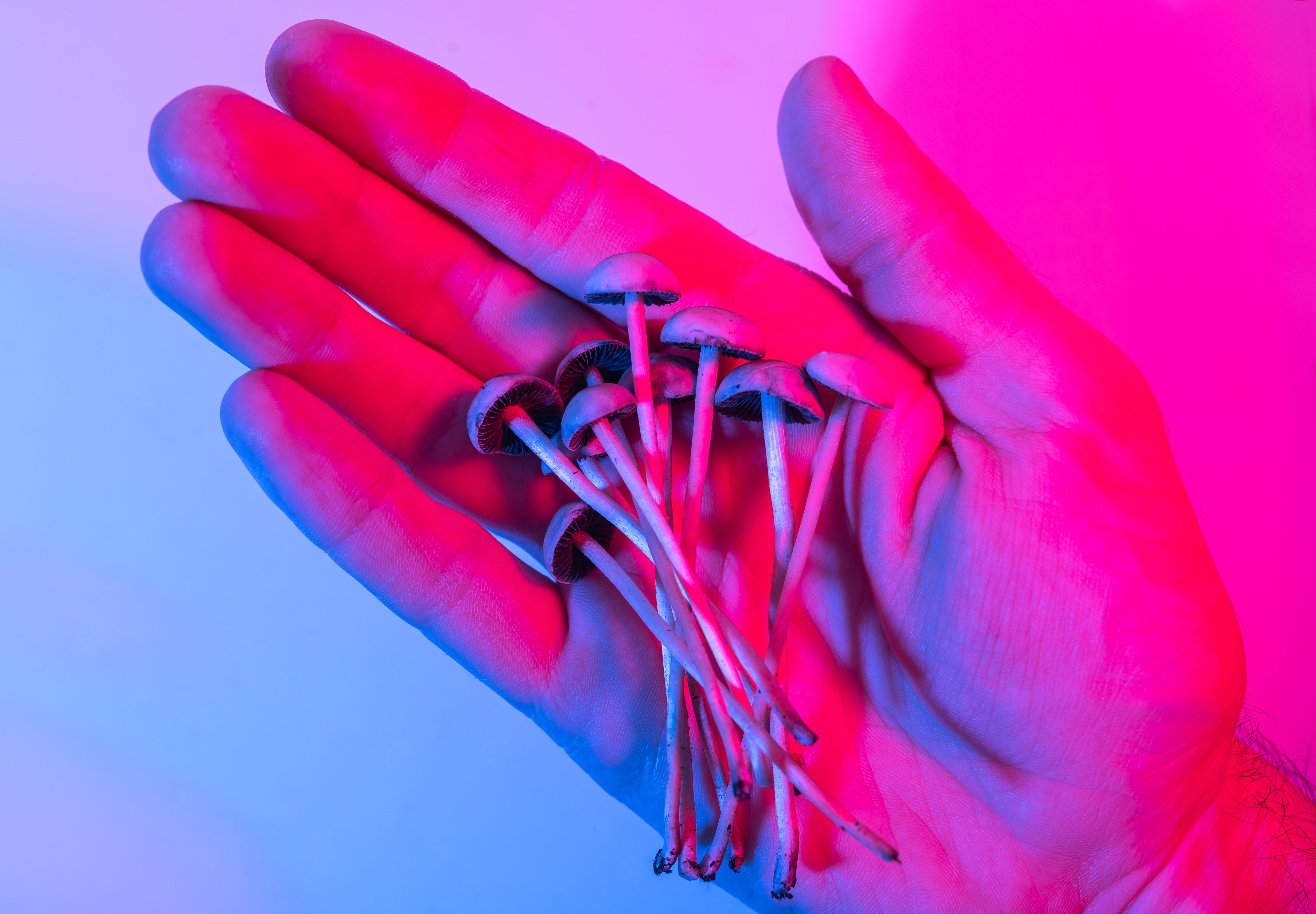
Historically, psilocybin has been used in various cultures for spiritual and healing purposes. In modern times, scientific research has begun to explore its potential therapeutic benefits, especially in treating mental health disorders like depression and anxiety.
Myth 1: Psilocybin is Addictive
One of the most common myths is that psilocybin is addictive. However, research has shown that psilocybin is not physically addictive. Unlike substances such as nicotine or opioids, it does not lead to dependency or withdrawal symptoms.
Moreover, studies indicate that psilocybin may actually help reduce addiction to other substances. Clinical trials are exploring its potential in treating alcohol and nicotine dependence.

Myth 2: Psilocybin Causes Brain Damage
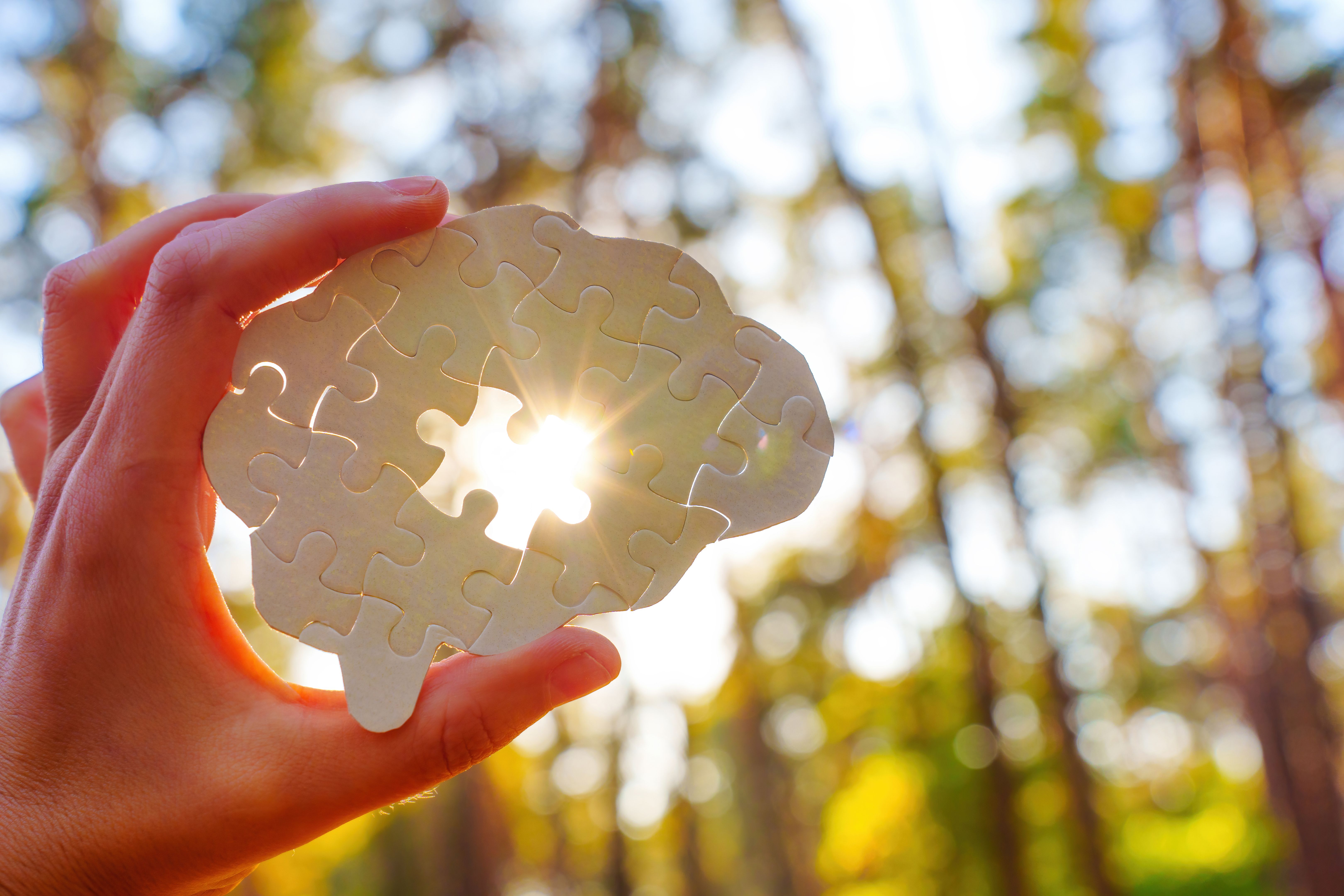
Another prevalent myth is that psilocybin causes brain damage. On the contrary, current research suggests that psilocybin may promote neural plasticity, which is the brain's ability to reorganize itself by forming new neural connections.
In controlled settings, psilocybin has been found to enhance creativity and improve mood without causing harm to the brain. These findings are helping to shift the narrative and encourage further exploration of its benefits.
The Role of Controlled Environments
It is crucial to understand that the benefits of psilocybin are most effectively realized in controlled environments. Clinical studies ensure proper dosage and monitoring, minimizing risks and maximizing therapeutic outcomes.
Researchers emphasize the importance of professional guidance during psilocybin experiences. This controlled approach helps manage potential side effects and enhances the overall therapeutic process.
Ongoing Research and Future Prospects
As interest in psilocybin grows, so does the body of research supporting its potential benefits. Institutions worldwide are conducting studies to further understand its impacts on mental health.
The future of psilocybin in mental health treatment looks promising, with ongoing trials investigating its use in depression, PTSD, and other disorders. This research could pave the way for new, effective treatments.

Conclusion
Debunking myths about psilocybin is essential to foster informed discussions about its potential role in mental health treatment. As research progresses, it becomes increasingly clear that psilocybin could offer significant benefits when used responsibly and under professional guidance.
By separating fact from fiction, we can better appreciate the potential of psilocybin and support its continued exploration in the field of mental health.