
Exploring the Benefits of Psilocybin Therapy for Mental Health


Understanding Psilocybin Therapy
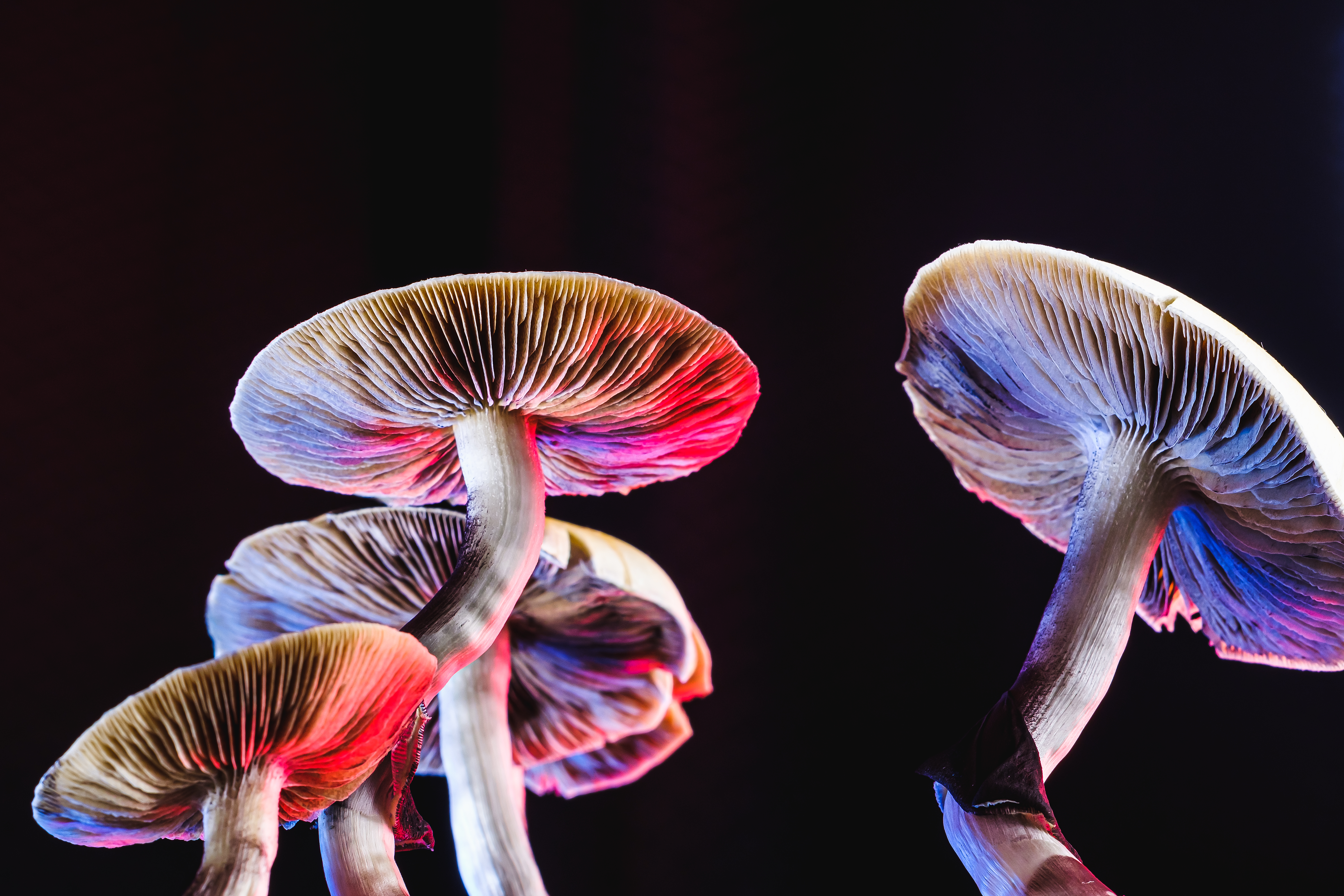
Psilocybin therapy is an innovative approach that utilizes the psychoactive compound found in certain mushrooms to treat various mental health conditions. Recent studies have shown promising results, indicating potential benefits for individuals struggling with depression, anxiety, and PTSD. By interacting with serotonin receptors in the brain, psilocybin can alter perception, mood, and cognition.
Unlike traditional medications, psilocybin therapy emphasizes a holistic approach. It involves guided sessions with a trained therapist, ensuring a safe and controlled environment. This combination of biological and psychological mechanisms makes psilocybin a compelling alternative in the realm of mental health treatment.
The Science Behind Psilocybin
Psilocybin works by affecting the brain's default mode network, which is responsible for self-referential thoughts and behaviors. By temporarily disrupting this network, psilocybin allows individuals to break free from negative thought patterns, providing relief from symptoms of mental health disorders.
Research has demonstrated that psilocybin can increase neuroplasticity, enabling the brain to form new connections. This increased flexibility may help individuals develop healthier perspectives and coping strategies, contributing to long-term improvements in mental health.
Benefits for Depression
One of the most significant benefits of psilocybin therapy is its potential to treat depression. Clinical trials have shown that even a single session can lead to substantial improvements in mood and emotional well-being. Participants often report a greater sense of connectedness and clarity, which can persist for weeks or even months.
- Rapid reduction in depressive symptoms
- Increased emotional openness
- Enhanced sense of well-being
Addressing Anxiety and PTSD
Psilocybin therapy is also being explored as a treatment for anxiety and PTSD. By facilitating profound personal insights, psilocybin can help individuals process traumatic experiences and reduce anxiety symptoms. The therapy encourages a compassionate self-exploration, allowing individuals to confront fears in a supportive setting.
For those with PTSD, psilocybin may decrease the intensity of traumatic memories, providing a path to healing that is often difficult to achieve with conventional therapies.

Challenges and Considerations
Despite its potential, psilocybin therapy is not without challenges. Legal restrictions and societal stigma can hinder access to this promising treatment. Additionally, individual responses to psilocybin vary, necessitating careful screening and professional guidance to ensure safety and efficacy.
It's crucial for individuals considering psilocybin therapy to consult with healthcare professionals and participate in legitimate clinical trials or programs to ensure a safe experience.
The Future of Psilocybin Therapy
As research continues to uncover the benefits of psilocybin, there is growing interest in its potential to transform mental health care. Ongoing studies aim to refine therapeutic protocols and expand the understanding of how psilocybin can best be utilized across different populations.
The future of psilocybin therapy looks promising, with the potential to revolutionize treatment options and provide relief for those who have not responded to traditional therapies. As acceptance grows, psilocybin may become a cornerstone in the quest to improve mental health worldwide.