The Role of Psilocybin in Mental Health: Insights from Experts


Understanding Psilocybin
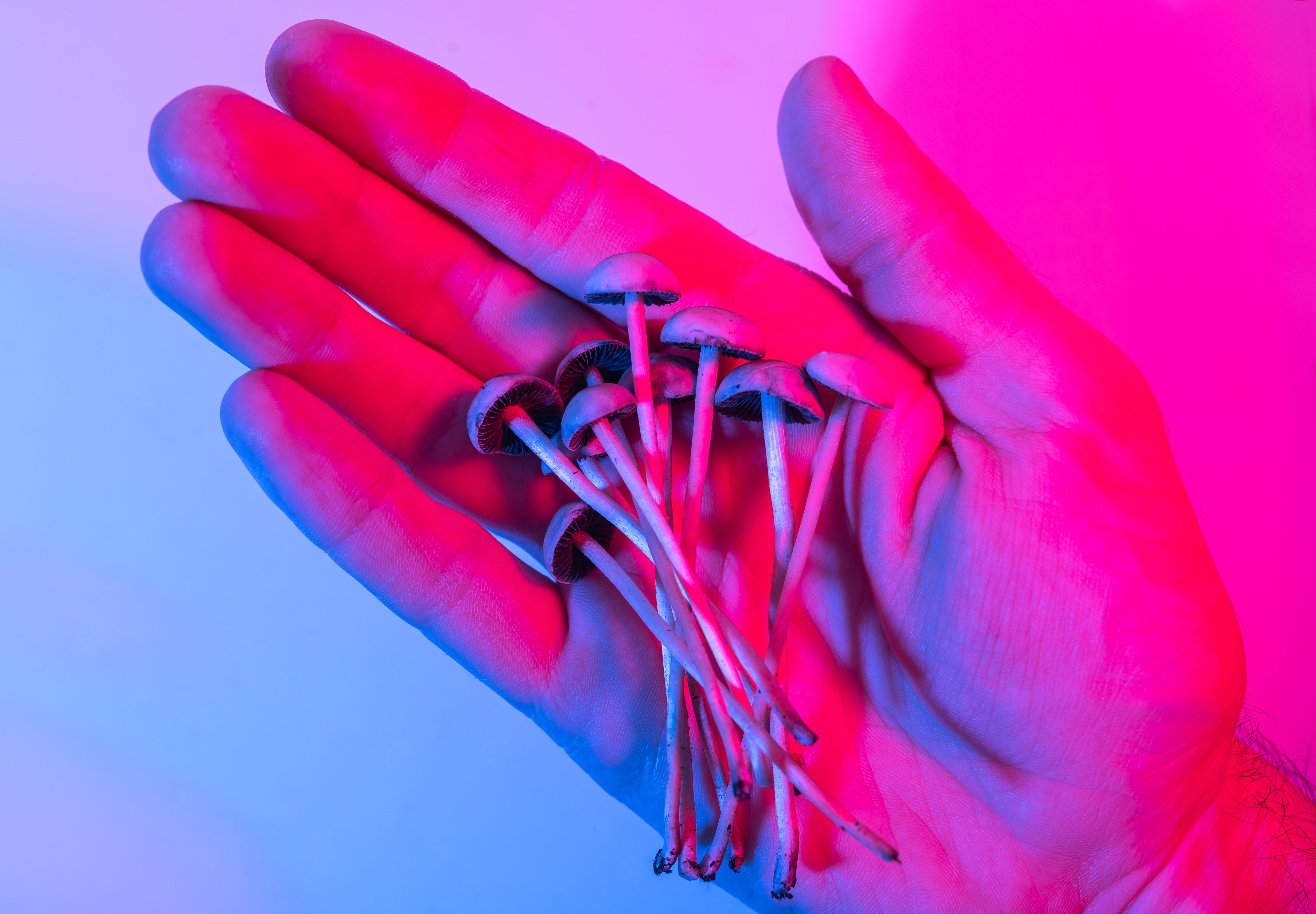
Psilocybin, a naturally occurring psychedelic compound found in certain mushrooms, has gained attention in recent years for its potential role in mental health treatment. Traditionally known for its use in spiritual and religious rituals, psilocybin is now being studied by scientists and mental health experts for its therapeutic benefits.
As mental health issues continue to rise globally, the need for innovative treatments is more crucial than ever. Psilocybin offers a promising alternative, especially for those who have not responded well to conventional therapies.
Scientific Insights into Psilocybin
Research studies have shown that psilocybin can have a profound impact on brain activity. It works by interacting with serotonin receptors, leading to altered perception and mood. These effects can help individuals gain new perspectives on their mental health challenges.
Experts suggest that psilocybin may be particularly beneficial for treating conditions such as depression, anxiety, and PTSD. Clinical trials have demonstrated significant reductions in depressive symptoms, sometimes after just a single dose.

Psilocybin in Clinical Settings
One of the most promising aspects of psilocybin therapy is its potential to provide long-lasting relief. Unlike traditional antidepressants that require daily intake, psilocybin may offer benefits with fewer sessions.
In a controlled clinical setting, psilocybin is administered under the supervision of trained professionals. This ensures a safe environment where patients can explore their thoughts and emotions without fear.
Challenges and Considerations
Despite its potential, psilocybin is not without challenges. Legal restrictions in many countries pose significant barriers to research and application. Additionally, the psychedelic experience can be intense, requiring careful management and guidance.
Experts emphasize the importance of set and setting—ensuring the right mindset and environment for a therapeutic session. This helps minimize risks and enhances the therapeutic outcome.
The Future of Psilocybin in Mental Health
As research continues, the future of psilocybin in mental health looks promising. There is growing advocacy for policy changes to allow broader access to psilocybin therapy. Many experts believe it could revolutionize the way we approach mental health treatment.
With ongoing studies and increasing public interest, psilocybin may soon become a mainstream option for those seeking alternative therapies. The role of psilocybin in mental health is still being uncovered, but its potential impact is undeniable.